

 Français
 Español
 中文 (香港)


Products by Category
-

2C-B Pink Cocaine in Canada
Price range: $250.00 through $7,000.00 -
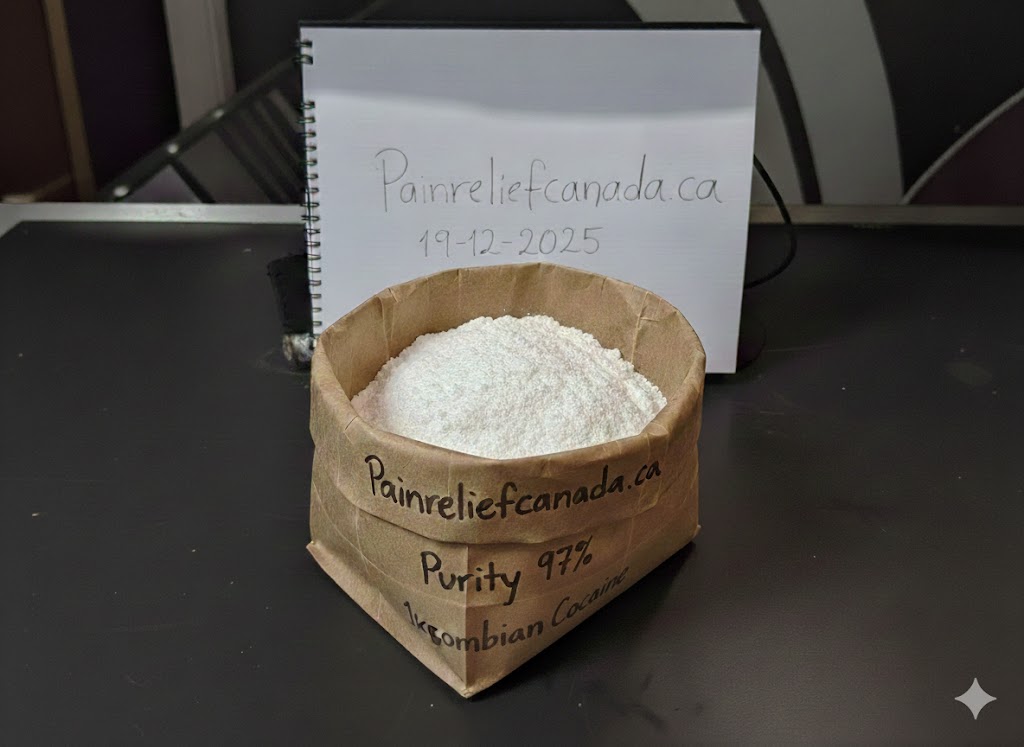
8 Ball Of Cocaine in New York City
Price range: $250.00 through $7,000.00 -
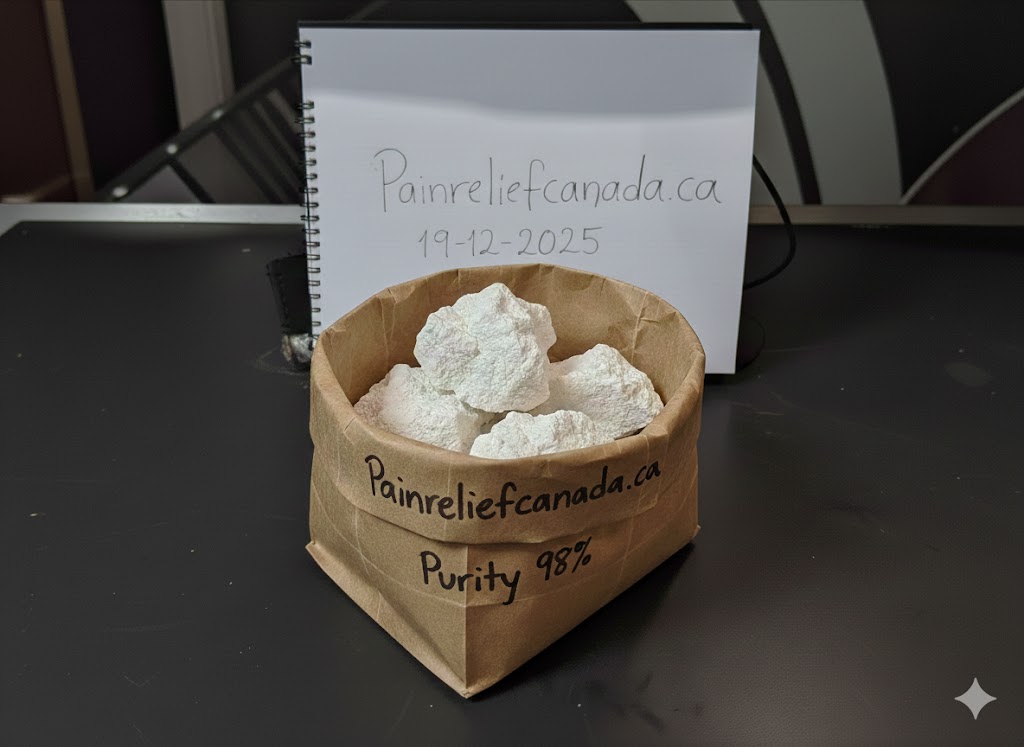
BIO Cocaine in Chicago
Price range: $250.00 through $7,000.00 -
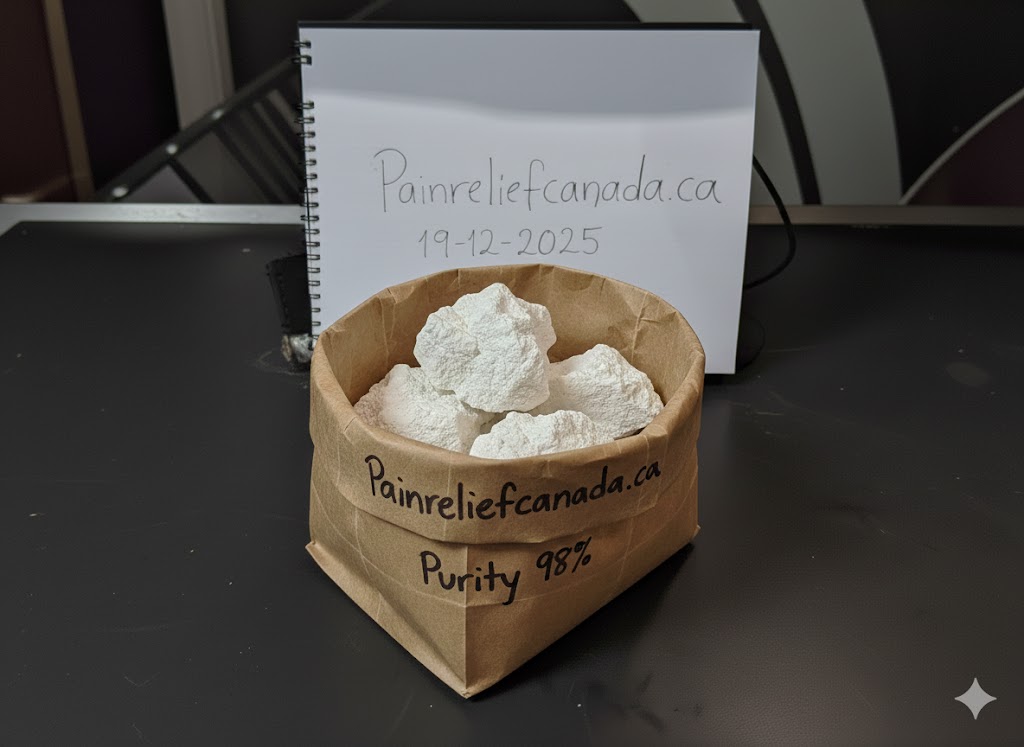
Bolivian Cocaine in Canada
Price range: $250.00 through $7,000.00 -
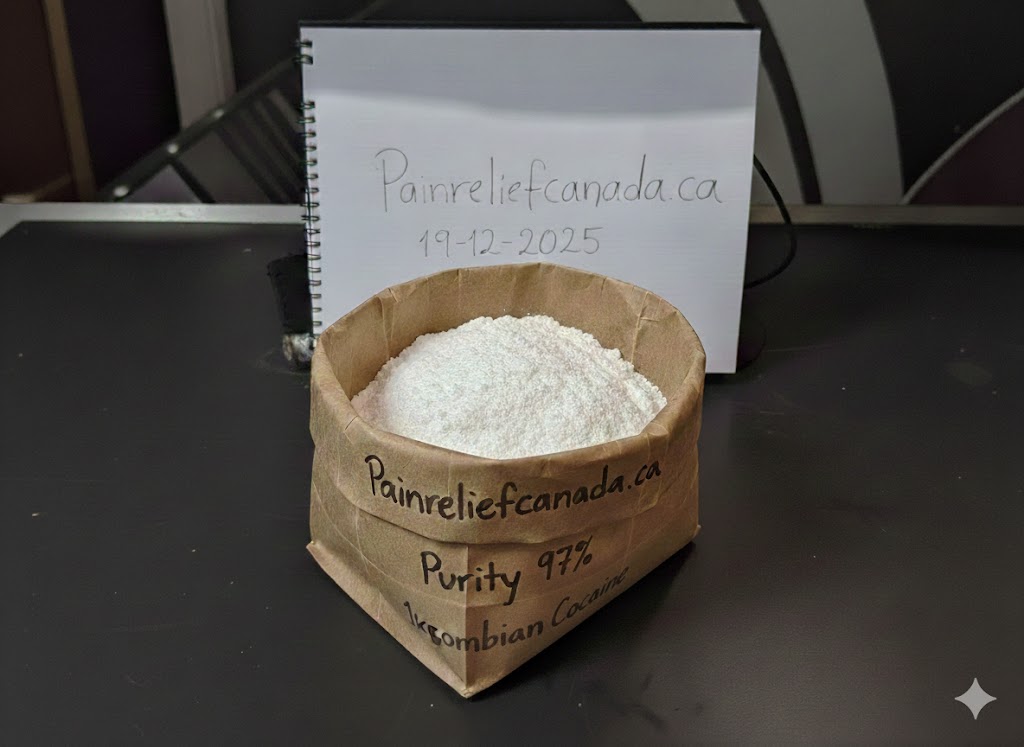
Bolivian Cocaine in Houston Texas
Price range: $250.00 through $7,000.00 -
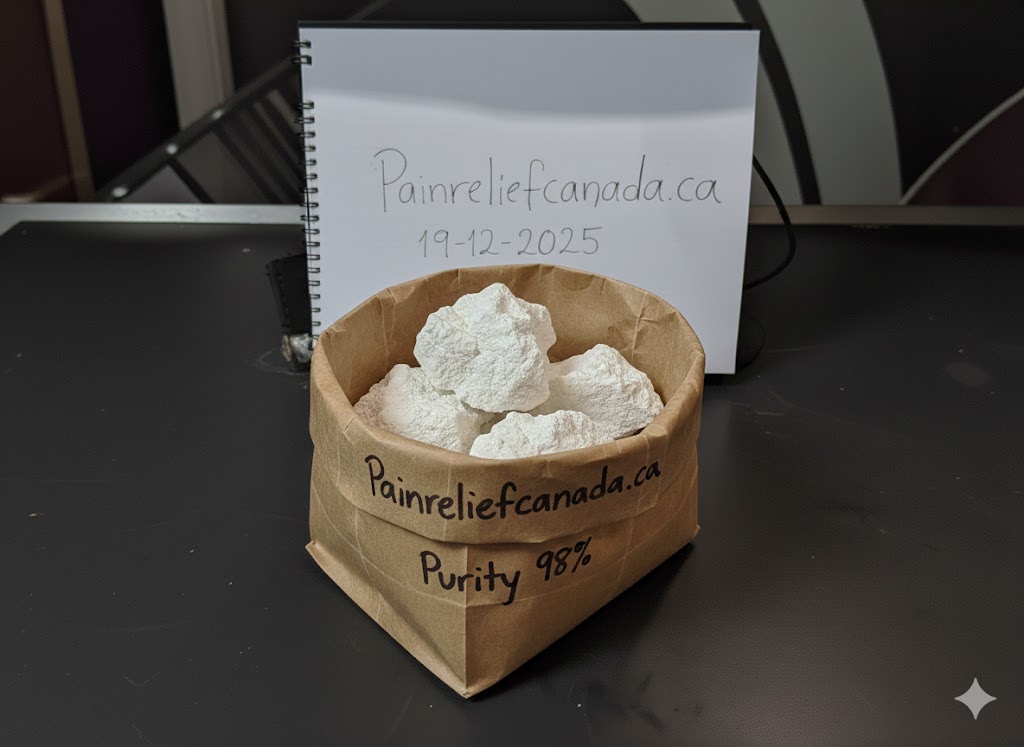
Buy Colombian Cocaine in Phoenix
Price range: $250.00 through $7,000.00 -
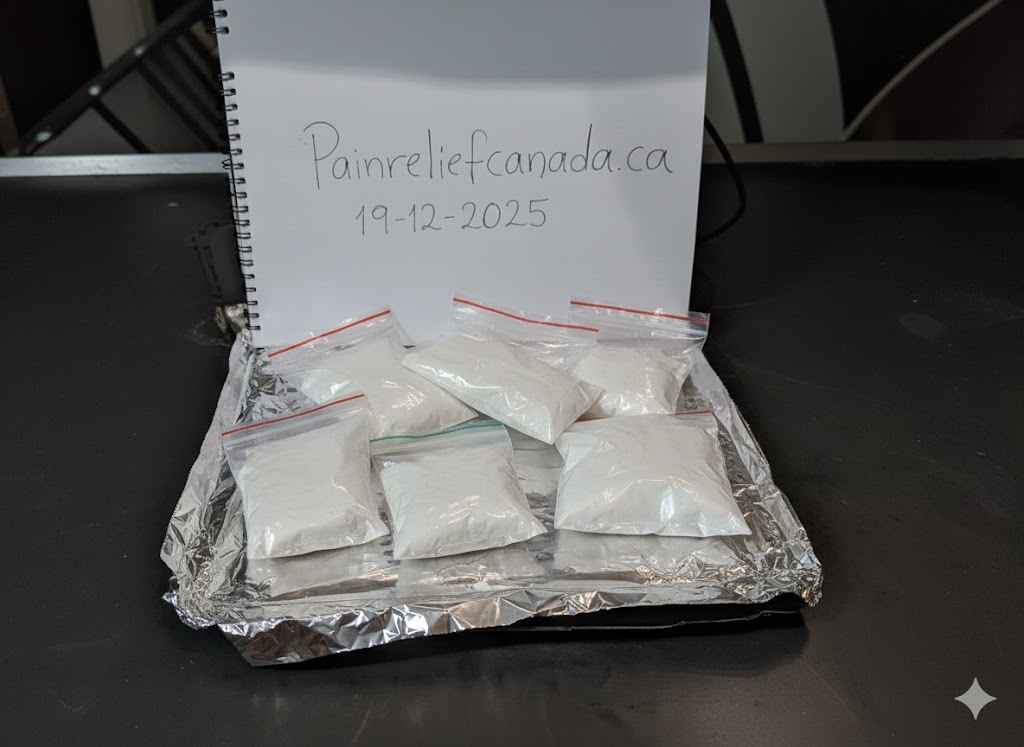
Buy Crack Cocaine in Kitchener Ontario
Price range: $250.00 through $7,000.00 -
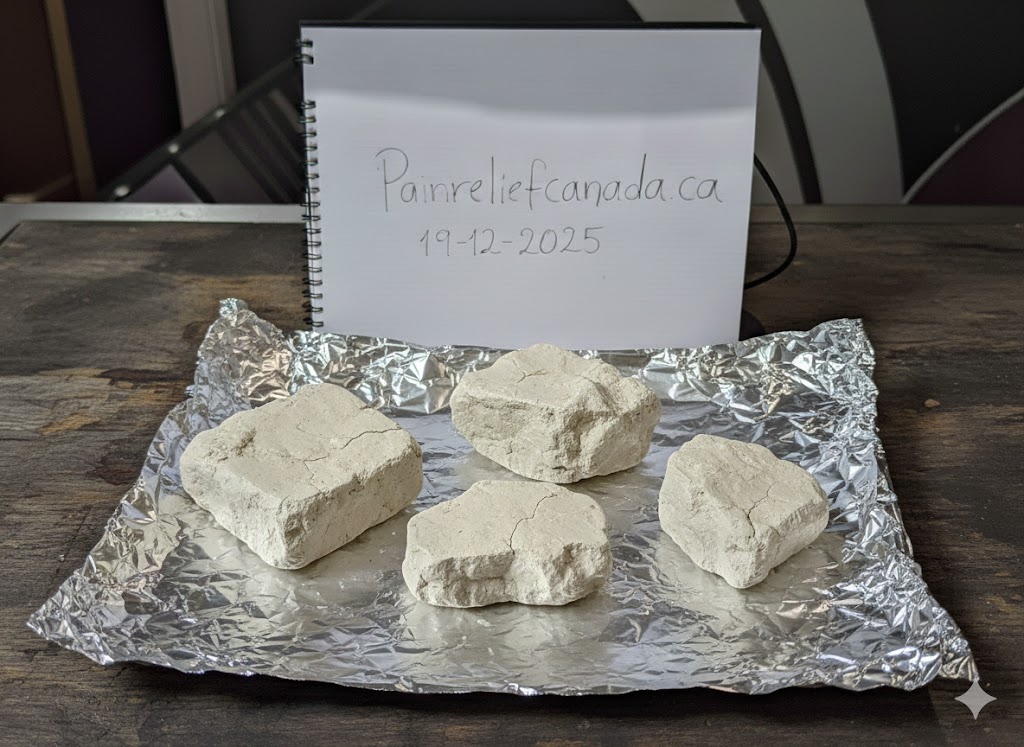
Buy Crack Cocaine in Markham
Price range: $250.00 through $7,000.00 -

Cocaine
Price range: $250.00 through $7,000.00
Crack Cocaine: Effects, Health Risks and Treatment
Crack cocaine is a powerful stimulant that affects the central nervous system. It can produce intense but short-lived feelings of euphoria and increased energy. However, its effects can also place significant stress on the heart, brain and mental health.
Understanding how crack cocaine works, recognizing its potential complications and knowing where to find professional support are important steps toward protecting health and well-being.
Table of Contents
- What Is Crack Cocaine?
- How Does Crack Cocaine Affect the Brain?
- Short-Term Effects of Crack Cocaine
- Long-Term Health Risks
- Signs of Cocaine Dependence
- Withdrawal and Recovery
- Treatment and Support in Canada
- Frequently Asked Questions
What Is Crack Cocaine?
Crack cocaine is a smokable form of cocaine. It belongs to a class of substances known as central nervous system stimulants.
Unlike powdered cocaine hydrochloride, crack cocaine is generally found in a solid form. Its effects can begin rapidly after inhalation because the substance enters the bloodstream through the lungs.
The rapid onset and relatively short duration of its effects can contribute to repeated consumption and an increased risk of dependence.
How Does Crack Cocaine Affect the Brain?
Crack cocaine interferes with the normal regulation of neurotransmitters, particularly dopamine.
Dopamine plays an important role in motivation, pleasure, reward and behaviour. By disrupting its normal activity, cocaine can produce temporary feelings of intense pleasure and stimulation.
Repeated exposure can affect the brain’s reward system, potentially contributing to compulsive use, cravings and difficulty controlling consumption.
Short-Term Effects of Crack Cocaine
The immediate effects can vary depending on individual health, exposure and other substances involved.
Possible effects include:
- Increased heart rate and blood pressure.
- Intense excitement or euphoria.
- Anxiety and restlessness.
- Reduced appetite.
- Increased body temperature.
- Insomnia and agitation.
- Paranoia or panic symptoms.
Severe reactions can include seizures, dangerous heart rhythm disturbances, heart attacks and strokes.
Long-Term Health Risks
Repeated cocaine exposure can affect several systems in the body.
Cardiovascular health: Increased cardiovascular strain can contribute to heart disease, abnormal heart rhythms and other serious complications.
Mental health: Long-term use may be associated with anxiety, depression, paranoia and psychotic symptoms.
Respiratory health: Smoking crack cocaine can irritate and damage the respiratory system, potentially causing persistent breathing difficulties.
Cognitive health: Some individuals experience problems with attention, memory and decision-making.
Signs of Cocaine Dependence
Cocaine dependence can develop even when someone initially believes their consumption is occasional or controlled.
Potential warning signs include:
- Strong cravings.
- Difficulty reducing or stopping consumption.
- Continuing despite health problems.
- Neglecting work, relationships or responsibilities.
- Spending increasing amounts of time obtaining or recovering from the substance.
Recognizing these signs early can make professional intervention easier.
Withdrawal and Recovery
Stopping regular cocaine use can produce psychological and physical symptoms.
Common experiences include fatigue, sleep disturbances, low mood, increased appetite, irritability and strong cravings.
Recovery is possible, although it may require ongoing professional support. Individual experiences vary, and treatment should be adapted to each person’s circumstances.
Treatment and Support in Canada
People experiencing cocaine-related problems can seek confidential assistance through healthcare professionals and addiction services.
Treatment may include psychological counselling, cognitive behavioural therapy, relapse-prevention strategies and support groups.
In Canada, individuals can start by speaking with a family doctor or contacting provincial addiction services.
For immediate medical emergencies involving chest pain, seizures, breathing difficulties or loss of consciousness, call 911.
Frequently Asked Questions
Is crack cocaine addictive?
Yes. Crack cocaine has a high potential for dependence because of its rapid effects on the brain’s reward system.
Can occasional use cause serious health problems?
Yes. Even a single exposure can cause serious cardiovascular complications or acute toxicity.
Does crack cocaine affect mental health?
Yes. Anxiety, paranoia, depression and psychotic symptoms may occur.
Can someone recover from crack cocaine dependence?
Yes. Professional treatment, psychological support and ongoing recovery services can help people regain control of their lives.
Where can Canadians find help?
A family physician, provincial addiction service or qualified mental health professional can help identify appropriate treatment options.
Conclusion
Crack cocaine presents serious risks to physical and mental health. Understanding its effects, recognizing warning signs and accessing professional treatment are essential components of prevention and recovery.
Reliable health information and compassionate support can help individuals and families make informed decisions and find appropriate care.