
 Français
 Español
 中文 (香港)
Products by Category
-

2C-B Pink Cocaine in Canada
Price range: $250.00 through $7,000.00 -
8 Ball Of Cocaine in New York City
Price range: $250.00 through $7,000.00 -
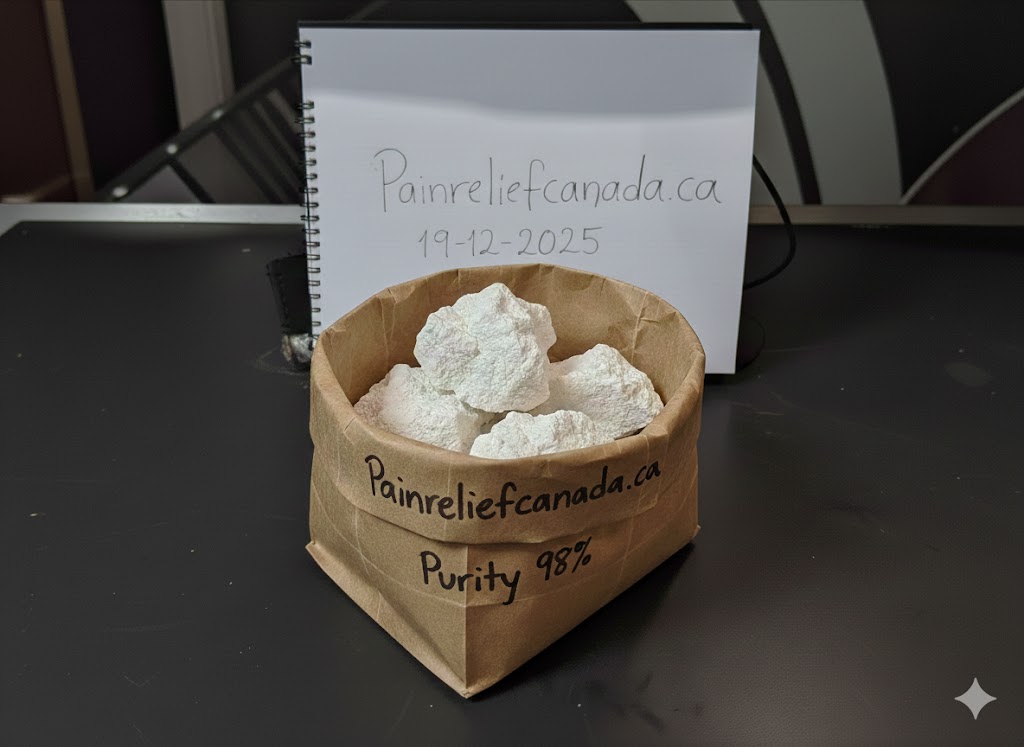
BIO Cocaine in Chicago
Price range: $250.00 through $7,000.00 -
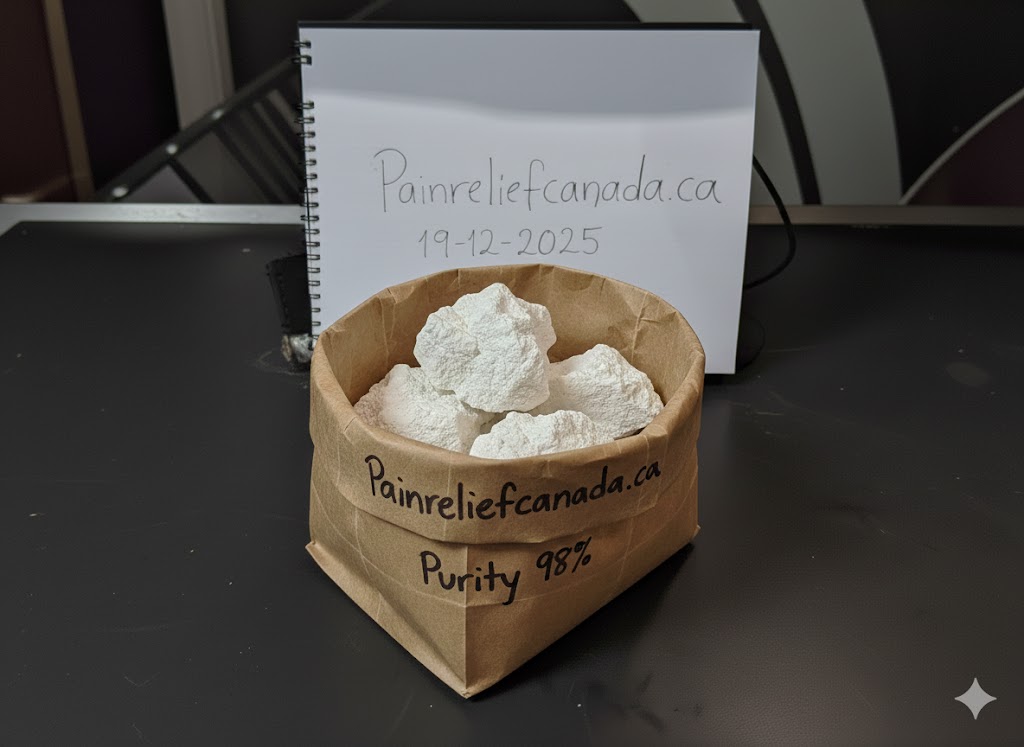
Bolivian Cocaine in Canada
Price range: $250.00 through $7,000.00 -
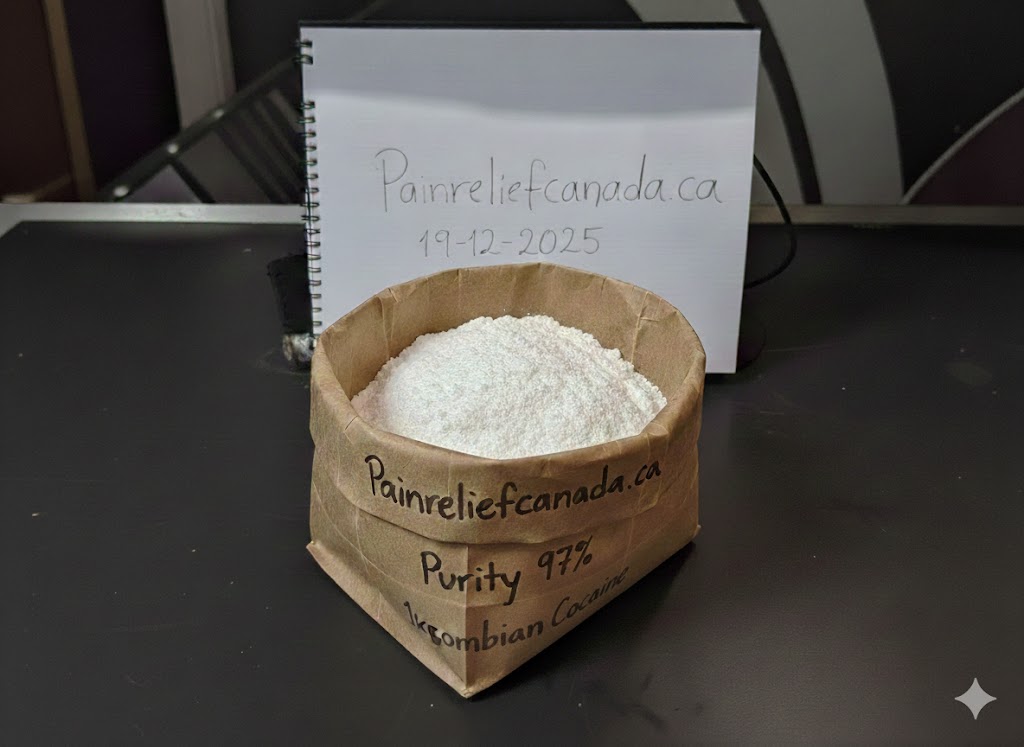
Bolivian Cocaine in Houston Texas
Price range: $250.00 through $7,000.00 -
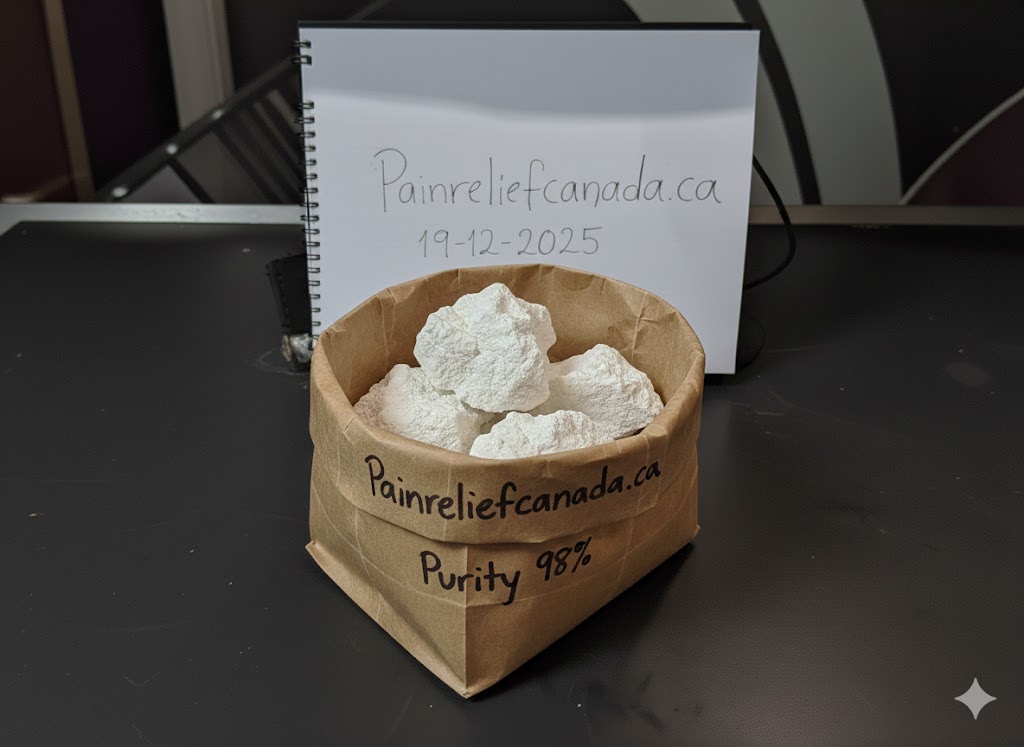
Buy Colombian Cocaine in Phoenix
Price range: $250.00 through $7,000.00 -
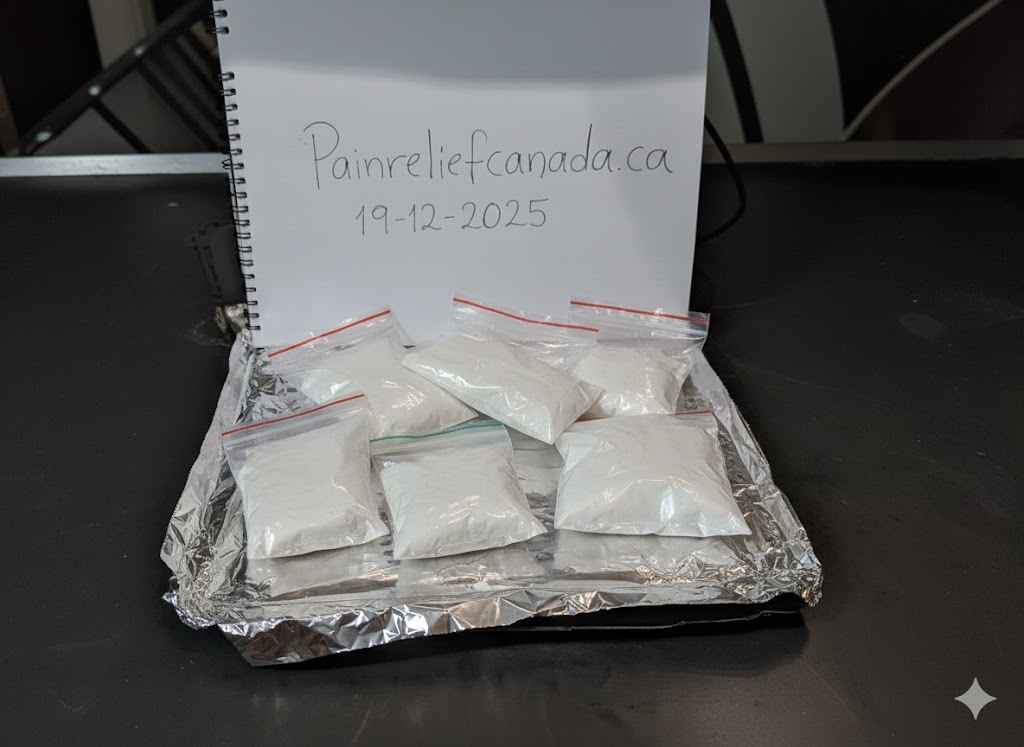
Buy Crack Cocaine in Kitchener Ontario
Price range: $250.00 through $7,000.00 -
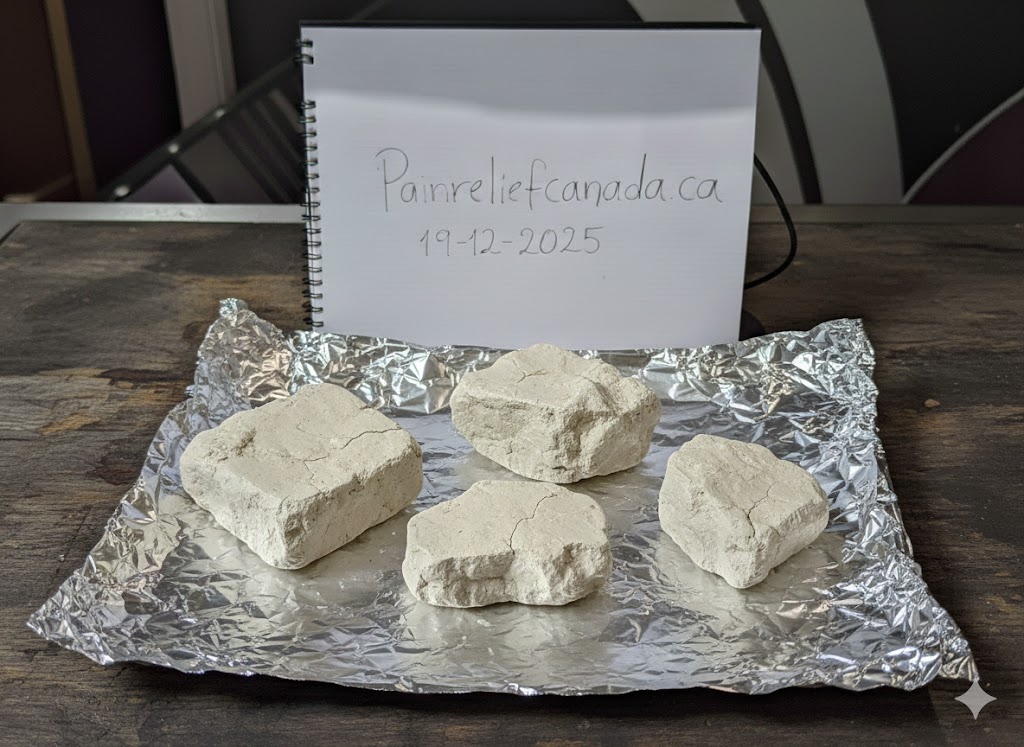
Buy Crack Cocaine in Markham
Price range: $250.00 through $7,000.00 -

Cocaine
Price range: $250.00 through $7,000.00
Crack Cocaine in Canada: Effects, Risks and Treatment
Order Crack cocaine in Canada is an important public health concern because of its potential effects on physical health, mental well-being and social stability. As a powerful stimulant, crack cocaine can produce rapid changes in brain activity, heart function and behaviour. Understanding its effects, associated risks and available support services can help individuals and families make informed health decisions.
This guide examines what crack cocaine is, how it affects the body, the potential consequences of repeated exposure and where Canadians can find professional assistance.
Table of Contents
- What Is Crack Cocaine?
- Crack Cocaine Use in Canada
- How Does Crack Cocaine Affect the Body?
- Short-Term Effects and Health Risks
- Long-Term Consequences
- Cocaine Dependence and Withdrawal
- Canadian Laws and Regulations
- Treatment and Support Resources
- Frequently Asked Questions
What Is Crack Cocaine?
Buy Crack cocaine in Canada is a smokable form of cocaine and belongs to a category of substances known as central nervous system stimulants. It is generally encountered in small solid pieces rather than the powdered form commonly associated with cocaine.
The substance acts on the brain’s chemical communication systems, particularly those involving dopamine. Dopamine plays an important role in motivation, reward, pleasure and behaviour.
Because crack cocaine can produce rapid effects, repeated consumption may become difficult to control. Its addictive potential is a significant concern for healthcare professionals.
Crack Cocaine Use in Canada
Substance use remains an important public health issue across Canada. Cocaine and crack are included in federal public health information about controlled and illegal substances.
The consequences of substance use can extend beyond individual health. Families, communities, healthcare providers and social support organizations may all be affected.
Public health authorities emphasize prevention, accurate information, early intervention and access to appropriate addiction services.
How Does Crack Cocaine Affect the Body?
Crack cocaine affects several biological systems, including the brain and cardiovascular system.
Its influence on dopamine can temporarily change mood, motivation and reward-related behaviour. However, these changes may also contribute to cravings and compulsive patterns of consumption.
The substance can increase heart rate, blood pressure and body temperature. It may also affect sleep, appetite, concentration and emotional regulation.
Individual reactions vary depending on several factors, including health history, frequency of exposure and interactions with other substances.
Short-Term Effects and Health Risks
Short-term effects may include:
- Increased heart rate and blood pressure.
- Anxiety, agitation and restlessness.
- Temporary feelings of euphoria.
- Reduced appetite and sleep disturbances.
- Paranoia and panic symptoms.
- Nausea, dizziness and tremors.
More serious complications can include seizures, dangerous heart rhythm disturbances, heart attacks and strokes.
A medical emergency can occur even in someone without a previously diagnosed health condition.
Long-Term Consequences
Repeated crack cocaine exposure can have significant physical and psychological consequences.
Cardiovascular health: Increased strain on the heart and blood vessels can contribute to serious cardiovascular complications.
Respiratory health: Smoking crack cocaine can damage lung tissue and cause breathing difficulties, chest pain and other respiratory problems.
Mental health: Repeated exposure may be associated with depression, anxiety, paranoia and psychotic symptoms.
Cognitive function: Some individuals experience difficulties with concentration, memory, decision-making and emotional regulation.
These consequences can affect employment, family relationships and everyday responsibilities.
Cocaine Dependence and Withdrawal
Cocaine can produce psychological dependence. People experiencing dependence may develop strong cravings, difficulty controlling consumption and continued use despite negative consequences.
Withdrawal symptoms can include:
- Fatigue and reduced energy.
- Depression and irritability.
- Increased appetite.
- Sleep disturbances.
- Intense cravings.
- Difficulty concentrating.
Professional assessment can help determine the most appropriate treatment and support options.
Canadian Laws and Regulations
In Canada, cocaine and crack are controlled substances under Schedule I of the Controlled Drugs and Substances Act.
Activities such as unauthorized possession, production and distribution are subject to federal drug laws. The legal consequences depend on the circumstances and applicable legislation.
Canadians seeking accurate information about controlled substances can consult Health Canada’s official resources.
Treatment and Support Resources in Canada
People experiencing problems related to crack cocaine use can seek assistance through healthcare professionals and specialized addiction services.
Treatment approaches may include:
- Cognitive behavioural therapy.
- Individual counselling.
- Addiction assessment and care planning.
- Relapse-prevention support.
- Community-based recovery programmes.
In Canada, the Centre for Addiction and Mental Health (CAMH) provides information about cocaine-related health concerns and treatment.
Health Canada’s substance-use resource directory also provides information about available support services.
In an emergency involving chest pain, seizures, breathing difficulties or loss of consciousness, call 911 immediately.
Frequently Asked Questions
Is crack cocaine illegal in Canada?
Yes. Crack cocaine is a controlled substance under federal Canadian legislation. Unauthorized activities involving it are prohibited.
Is crack cocaine addictive?
Yes. It has a significant potential for psychological dependence and compulsive use.
What are the most serious health risks?
Major risks include heart attacks, strokes, seizures, respiratory complications and severe psychological symptoms.
Can crack cocaine dependence be treated?
Yes. Professional addiction treatment, psychological support and ongoing recovery services can help individuals work toward recovery.
Where can Canadians find reliable information?
Health Canada, CAMH and provincial healthcare services provide educational information and assistance.
Where to Order Crack cocaine in Canada in 2027
Crack cocaine in Canada is a serious public health subject that requires accurate information and responsible discussion. Understanding its effects, recognizing the signs of dependence and knowing where to seek professional assistance can make an important difference.
Access to reliable medical information, compassionate care and appropriate treatment resources remains essential for individuals and families affected by substance use.